
Ecommerce Website Design
Ecommerce Website Design Services in London
Running an online store takes more than a product page and a checkout button. Visitors decide whether to trust your store within seconds, and a confusing layout or clunky checkout sends them straight to a competitor. We design ecommerce websites for London businesses that are built to convert browsers into buyers — not just display products.
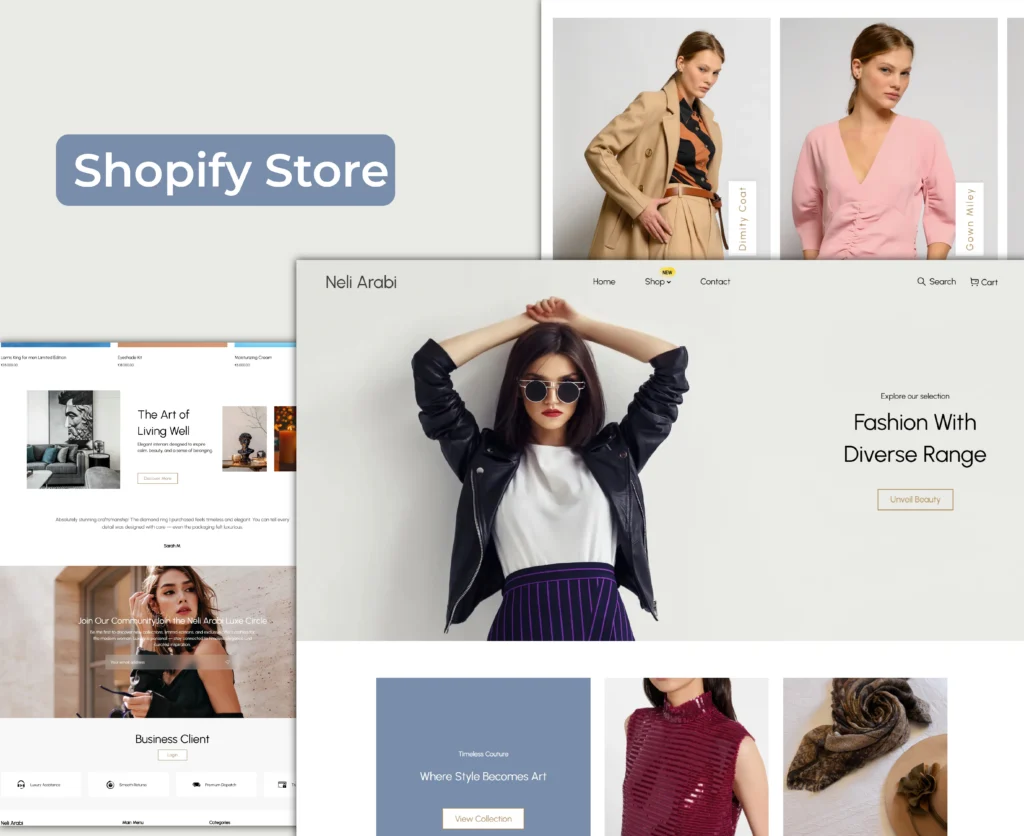
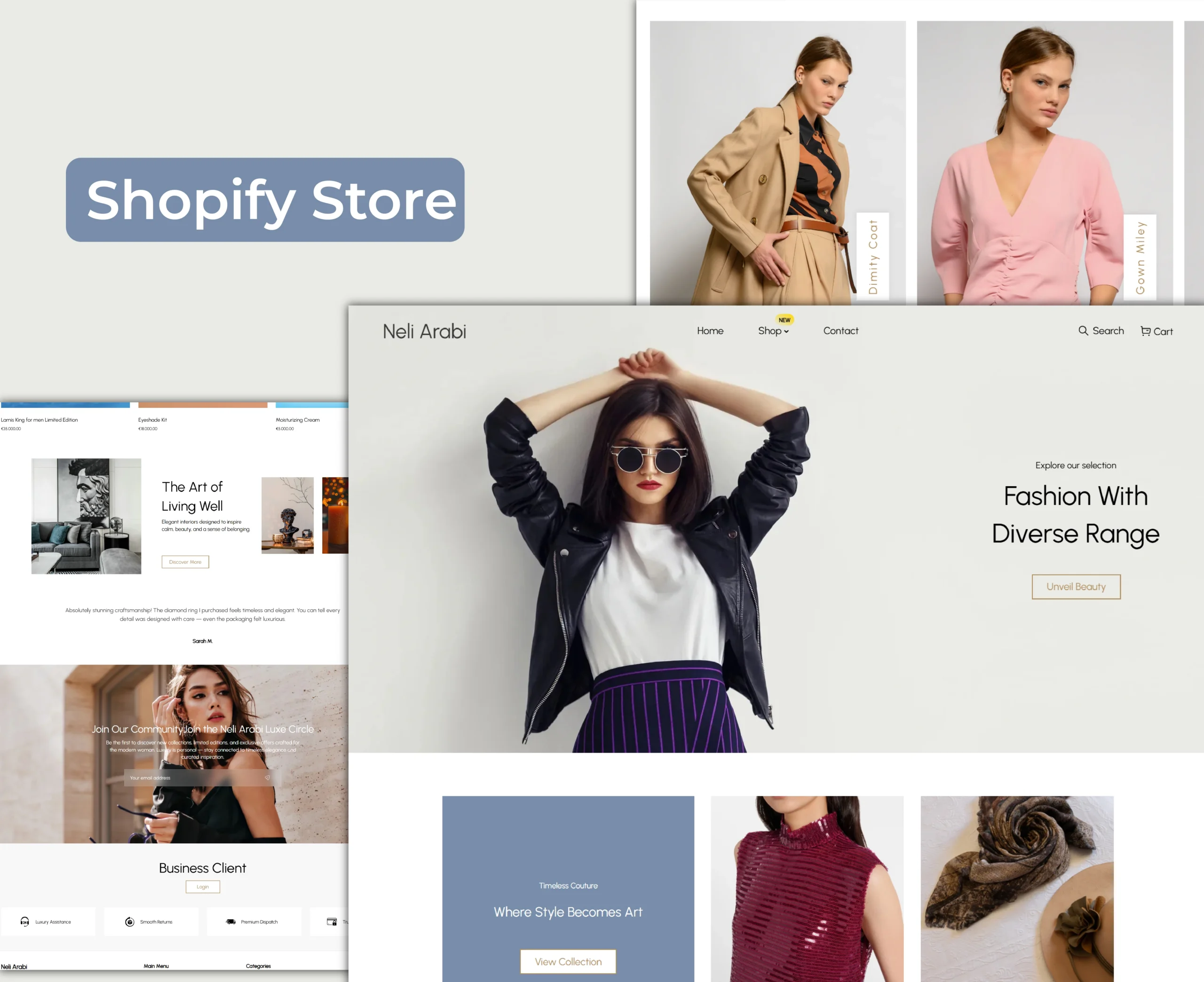
What's Included in Our Ecommerce Website Design
- Platform setup — built on Shopify or WooCommerce, whichever suits your business, budget, and how you want to manage your store
- Conversion-focused design — clear navigation, streamlined checkout, and product pages built to sell, not just display
- Secure payments — properly configured payment gateways and security so customers can check out with confidence
- Mobile-first design — a shopping experience that works properly on phones, where much of your traffic will come from
- Inventory and product management setup — a system that’s manageable day-to-day, not just at launch
- Integrations — connecting your store with the tools you already use, from email marketing to accounting software
Shopify or WooCommerce — Which Is Right for You?
Both are strong platforms, and the right choice depends on your business rather than one being universally “better”:
Shopify is a fully hosted platform — it handles hosting, security, and updates for you, with a more guided setup. It suits businesses that want to get selling quickly without managing technical infrastructure, and it scales smoothly as order volume grows.
WooCommerce runs on WordPress, offering more flexibility and design freedom, along with lower theme costs. It suits businesses that already have a WordPress site, want deeper customisation, or are comfortable with a bit more hands-on management around hosting and plugins.
We’ll help you choose based on your budget, technical comfort level, and where your business is headed — not push you toward one platform regardless of fit.
What Makes an Ecommerce Website Actually Convert
- Fast load times — visitors form an opinion about a store within seconds, and slow pages lose sales before they even load
- Simple checkout — every unnecessary field or step in checkout is a chance for someone to abandon their cart
- Trust signals — secure payment badges, clear return policies, and genuine reviews placed where doubts naturally arise
- Mobile optimisation — a huge share of ecommerce traffic is mobile, and a store that isn’t built mobile-first loses sales quietly
- Clear product information — good photography, honest descriptions, and easy-to-find sizing or specification details
Why Choose Ennomark for Landing Page Design
- Honest platform guidance — Shopify or WooCommerce, based on what actually fits your business
- Conversion-focused design, not just visually polished templates
- Mobile-first builds, since that’s where most shopping traffic happens
- Ongoing support available after launch, so your store keeps running smoothly
- Direct access to the person building your store, not an account manager relaying updates
Our Process
- Discovery We understand your products, your customers, and what “success” looks like for your store.
- Platform Selection We recommend Shopify or WooCommerce based on your specific needs, not a one-size-fits-all default.
- Design We design your store around conversion — navigation, product pages, and checkout all built with intent.
- Development & Integration We build and connect your store with payments, inventory, and any other tools you rely on.
- Testing & Launch We test the full purchase journey across devices before going live.
- Ongoing Support We remain available for updates, fixes, and improvements as your store grows.
Our Other Services
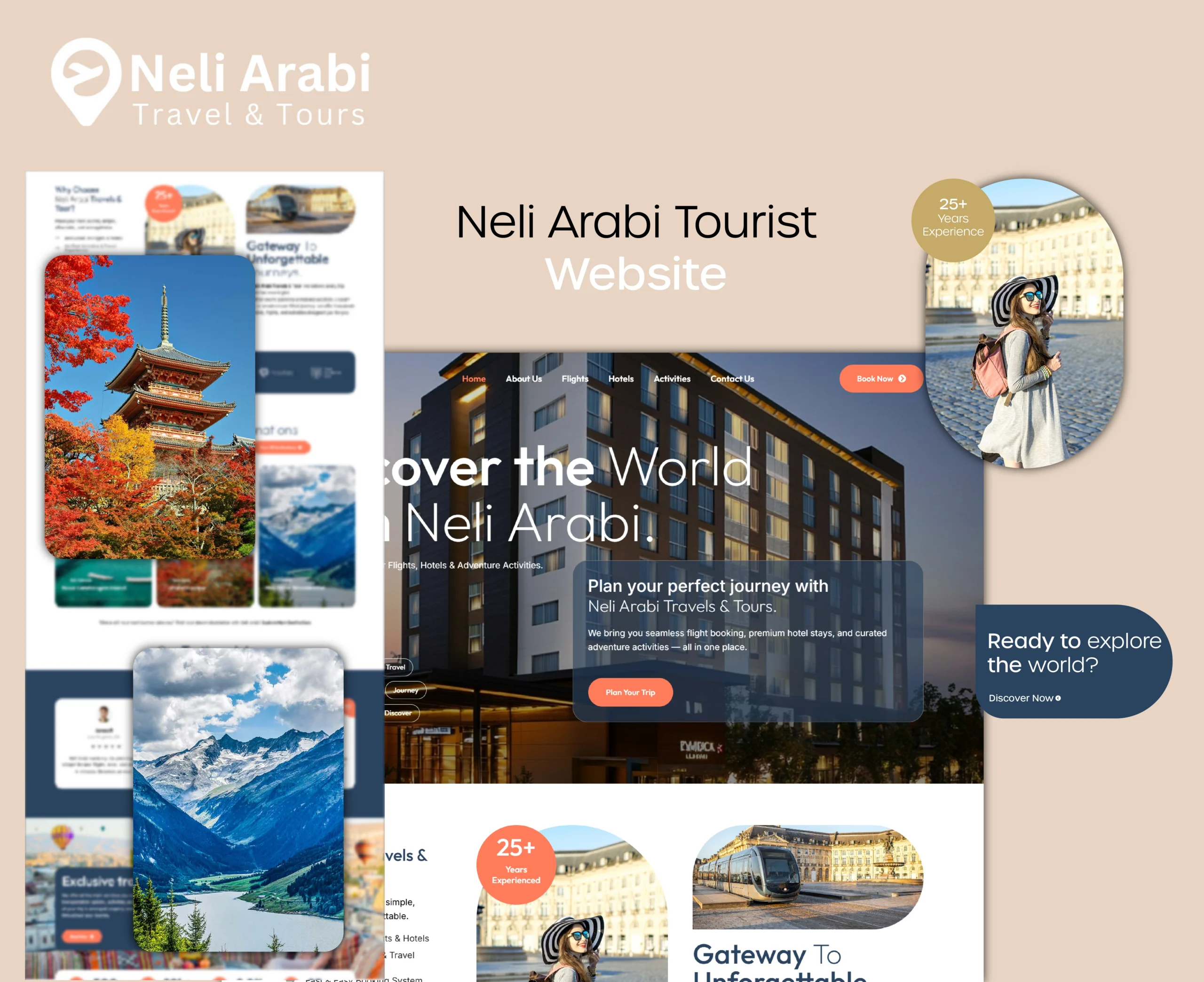
We provide web design, development, SEO, branding, ecommerce, and support services to grow your online presence.
FAQ's
Common Questions About Ecommerce Website Design
It depends on your priorities. Shopify is fully hosted and easier to manage day-to-day, making it a strong choice if you want to get selling quickly without handling technical maintenance. WooCommerce offers more design flexibility and lower theme costs if you're comfortable with a bit more hands-on management.
Many small businesses find Shopify easier to start with, since hosting, security, and updates are handled for you. WooCommerce can work well too, especially if you already have a WordPress site or want more customisation control.
Both platforms offer strong customisation — WooCommerce generally gives more design freedom since it's not locked into one ecosystem, while Shopify offers a large library of professional themes and apps.
Yes — both Shopify and WooCommerce support secure, PCI-compliant payment processing when set up correctly, which we handle as part of every build.
Both platforms support international sales, including multiple currencies and shipping zones, if that's part of your growth plans.
Both platforms scale well, though Shopify generally handles high traffic and large catalogues with less manual optimisation required, while WooCommerce may need more attention to hosting and performance as you grow.